Featured

)
Navigating Debt Forgiveness in 2026: Searching For Legitimate Alleviation in a Crowded Market
Table of Contents
- – What Financial Obligation Mercy Actually Indic...
- – The Crucial Distinction Between Nonprofit and ...
- – Bankruptcy Counseling: Comprehending Your Lega...
- – Contrasting Your Financial Debt Alleviation Op...
- – Indication of Financial Debt Alleviation Scams
- – Making an Enlightened Decision
- – Taking the Primary Step
When bank card equilibriums spiral past control and month-to-month minimal repayments barely scrape the surface area of what you owe, the weight of economic tension can feel excruciating. With American customers now holding over $1.21 trillion in credit history card debt jointly, finding legitimate financial debt alleviation has actually never ever been extra essential. Virtually fifty percent of cardholders lug an equilibrium from month to month, and the section falling back on minimum repayments has actually climbed to 12.3% in current information.
For those seeking a pathway out of frustrating financial obligation, understanding the distinction in between financial obligation forgiveness, insolvency counseling, and financial obligation management can mean the distinction between monetary healing and much deeper problem.
What Financial Obligation Mercy Actually Indicates
Financial debt mercy describes the process of bargaining with lenders to decrease the total amount owed, permitting customers to resolve their debts for much less than the initial balance. Unlike financial obligation consolidation, which combines numerous financial debts right into a solitary settlement, or financial debt monitoring intends that restructure settlement timetables, debt forgiveness programs proactively work to eliminate sections of your superior equilibriums.
When a credit rating card account goes unpaid for 120 days or even more, creditors typically charge off the financial obligation and might accept minimized settlements to recoup at the very least a section of what they're owed. Settlements usually range from 30% to 50% of the original balance, though outcomes differ based upon the lender, account age, and individual scenarios. The majority of financial debt mercy programs cover 2 to four years, calling for customers to construct funds in specialized accounts while negotiators collaborate with financial institutions.
It's worth keeping in mind that forgiven financial obligation over $600 is typically taken into consideration taxable income by the IRS. Anyone considering financial obligation settlement ought to get in touch with a tax specialist to recognize the implications before continuing.
The Crucial Distinction Between Nonprofit and For-Profit Services
The Consumer Financial Defense Bureau warns that managing for-profit financial debt negotiation companies can be high-risk. These business commonly bill fees ranging from 15% to 25% of enlisted financial debt and commonly motivate customers to stop paying entirely while negotiations proceed. This approach can lead to mounting late fees, charge passion charges, harmed credit rating, and also suits from lenders.
Not-for-profit credit history therapy companies operate under various standards. Organizations accepted by the united state Division of Justice as 501(c)(3) nonprofits focus on client welfare as opposed to earnings margins. Their credit score therapy sessions are usually offered at no cost, and financial obligation monitoring program costs are covered at $79 regular monthly nationwide under government guidelines.
The National Foundation for Credit Score Counseling (NFCC), established in 1951, represents the gold criterion for nonprofit monetary counseling. NFCC participant firms need to satisfy rigorous ethical criteria, with counselors required to recertify every 2 years. Research study conducted by Ohio State College discovered that NFCC credit rating counseling clients decreased their revolving debt by $3,600 greater than contrast groups over 18 months following counseling, with 70% coverage boosted monetary confidence.
Bankruptcy Counseling: Comprehending Your Legal Needs
For people whose financial situations have actually degraded beyond what financial debt forgiveness or administration programs can address, insolvency may come to be essential. Federal regulation requires anybody filing for Phase 7 or Phase 13 personal bankruptcy to complete both pre-filing debt counseling and post-filing borrower education programs with an accepted agency.
Pre-bankruptcy therapy entails a detailed testimonial of income, financial debts, and expenditures, along with expedition of options to insolvency. The session assists filers recognize whether personal bankruptcy absolutely represents their ideal alternative or whether various other financial debt alleviation methods may function. Post-filing borrower education concentrates on budgeting, conserving, and restoring credit scores after personal bankruptcy discharge.
Both sessions typically take 60 to 90 mins. Charges differ by carrier however generally range from $20 to $50 per program, with charge waivers readily available for those that qualify based upon revenue. Upon conclusion, filers obtain certifications needed for their personal bankruptcy petitions.
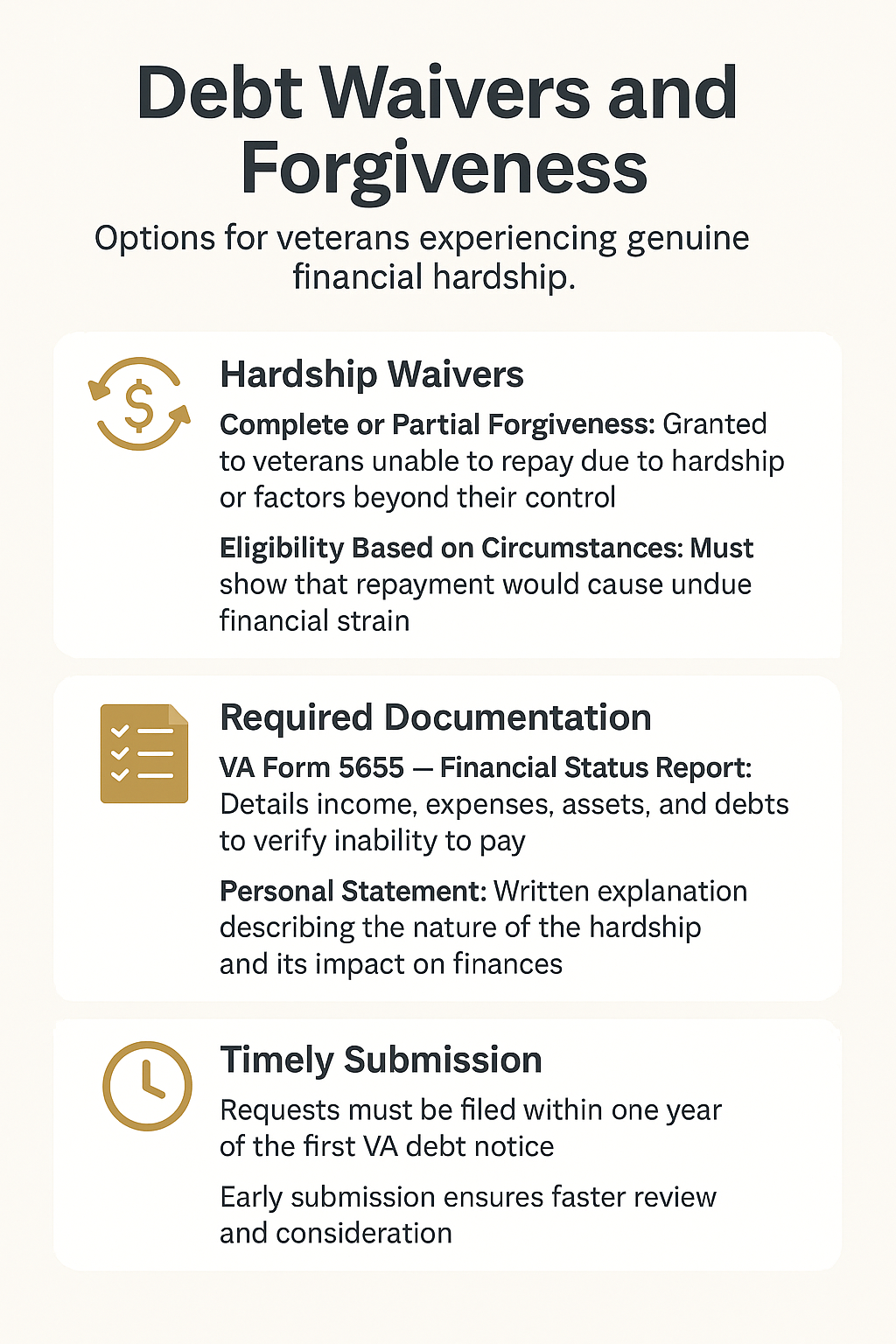
Nonprofit companies like APFSC offer these called for bankruptcy therapy courses along with their various other financial obligation alleviation services, providing a streamlined experience for those browsing the bankruptcy process.
Contrasting Your Financial Debt Alleviation Options
Understanding which approach fits your situation needs straightforward assessment of your financial circumstances.
Financial debt monitoring prepares job best for those who can still make constant settlements however require helping in reducing rates of interest and organizing multiple debts right into single regular monthly repayments. These programs commonly span three to 5 years and pay financial debts in full, simply with much better terms. Credit report frequently enhance with time as equilibriums reduce.
Financial obligation negotiation or mercy programs suit those with larger financial obligation lots, generally $7,500 or more, who have actually already dropped behind on repayments and can not realistically pay equilibriums completely. These programs negotiate lowered benefits yet lug credit history consequences and tax implications.
Personal bankruptcy supplies one of the most dramatic relief but likewise one of the most significant lasting credit rating impact. Chapter 7 sells off assets to release financial debts, while Chapter 13 produces structured settlement plans over three to 5 years. Personal bankruptcy stays on credit rating reports for seven to 10 years.
Credit scores therapy alone, without enrollment in a details program, helps those that need budgeting support and financial education to stop future debt troubles. These sessions are commonly complimentary through not-for-profit firms.
Indication of Financial Debt Alleviation Scams
Consumers must be especially wary of companies declaring to provide government-sponsored bank card debt mercy programs. No such government programs exist for credit report card financial obligation, unlike the mercy options available for federal trainee loans. Any ads suggesting or else are most likely frauds.
Various other warnings consist of business that require huge upfront fees prior to giving services, guarantee certain settlement percentages, inform you to stop communicating with financial institutions entirely, or refuse to explain their charge structure plainly. Reputable not-for-profit agencies provide transparent info concerning expenses, timelines, and reasonable end results.
The CFPB advises thinking about all choices prior to engaging any type of financial obligation relief solution, consisting of negotiating directly with lenders on your own and seeking advice from not-for-profit credit scores therapists that can supply impartial analyses of your scenario.
Making an Enlightened Decision
Selecting the right financial debt relief course relies on private situations, overall financial debt quantity, income stability, and ability to make consistent repayments. Free first assessments from nonprofit credit scores therapy companies aid possible clients understand their choices without high-pressure sales techniques.
During these sessions, certified counselors examine economic circumstances, clarify readily available programs, and develop customized referrals. Whether somebody inevitably selects debt mercy, debt management, personal bankruptcy, or self-directed repayment, starting with not-for-profit guidance ensures they get guidance concentrated on their financial wellbeing.
Sector leaders like Cash Administration International, GreenPath Financial Health, InCharge Financial Obligation Solutions, and APFSC all supply detailed services covering credit report therapy, financial obligation monitoring, and personal bankruptcy education. Many provide numerous call methods consisting of phone, on the internet conversation, and e-mail, making it very easy to begin the discussion.
Taking the Primary Step
Financial healing hardly ever takes place overnight. Financial obligation management plans typically span 3 to 5 years, and financial debt negotiation programs commonly call for 24 to 48 months of organized cost savings and settlements. The option of proceeding to have a hard time with unmanageable financial obligation while rate of interest substances provides no path forward.
For any person sinking in bank card financial obligation, medical bills, or personal finances, connecting to a nonprofit credit score counseling agency represents an important very first step. The appointment costs absolutely nothing, brings no obligation, and offers quality about realistic choices. From there, informed choices end up being feasible.
How to Use Credit Cards Wisely to Avoid Debt : APFSCThe trip from frustrating financial debt to economic security needs commitment, patience, and specialist guidance. With assistance from trusted nonprofit companies and a clear understanding of available programs, that journey becomes attainable.

Table of Contents
- – What Financial Obligation Mercy Actually Indic...
- – The Crucial Distinction Between Nonprofit and ...
- – Bankruptcy Counseling: Comprehending Your Lega...
- – Contrasting Your Financial Debt Alleviation Op...
- – Indication of Financial Debt Alleviation Scams
- – Making an Enlightened Decision
- – Taking the Primary Step
Latest Posts

Their Team Method with Clients Things To Know Before You Buy

8 Simple Techniques For How New Platforms Is Making Financial Help Better
Everything about Evaluating The Emotional Aftermath of Debt: Integrating Mental Health into Financial Counseling Providers to Choose the Right Partner
More
Latest Posts
Their Team Method with Clients Things To Know Before You Buy
8 Simple Techniques For How New Platforms Is Making Financial Help Better